

We are going above and beyond to bring you 100% natural and unique mushroom and botanical blends. cogu. is breaking ground combining our science-based approach and state-of-the-art machinery to deliver real-effect formula concentrations. Our matter is carefully sourced and expertly blended to provide extracts that make a difference, full stop. We believe in what we do, we consume our own products and we recommend them to our loved ones. Not a money-grab, no hacks. We stand for bio-available functionality and transparent conversation.
The MUSHROOMS
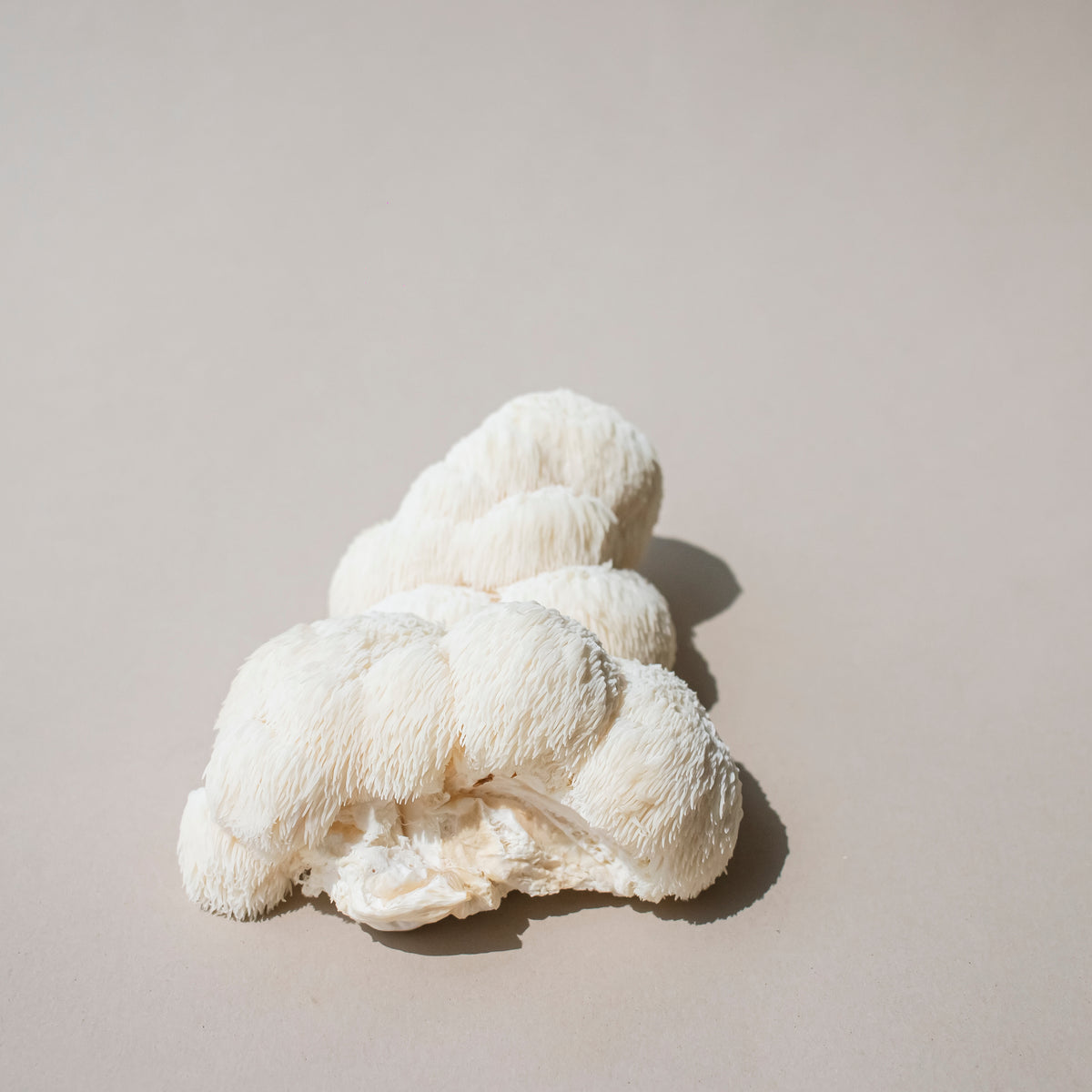
LION’S MANE
Hericium erinaceus
Native range
Forests of North America, Europe and Asia, growing on hardwoods like beech and oak.
Character
A white, shaggy mushroom with cascading spines instead of a cap. Mild taste, often compared to crab or lobster.
History
A prized delicacy in Chinese cuisine for centuries, and known in Japan as yamabushitake, after the mountain monks whose robes carried similar shaggy tassels.
Did you know?
In China it’s called the “monkey head mushroom”, because of its furry look.
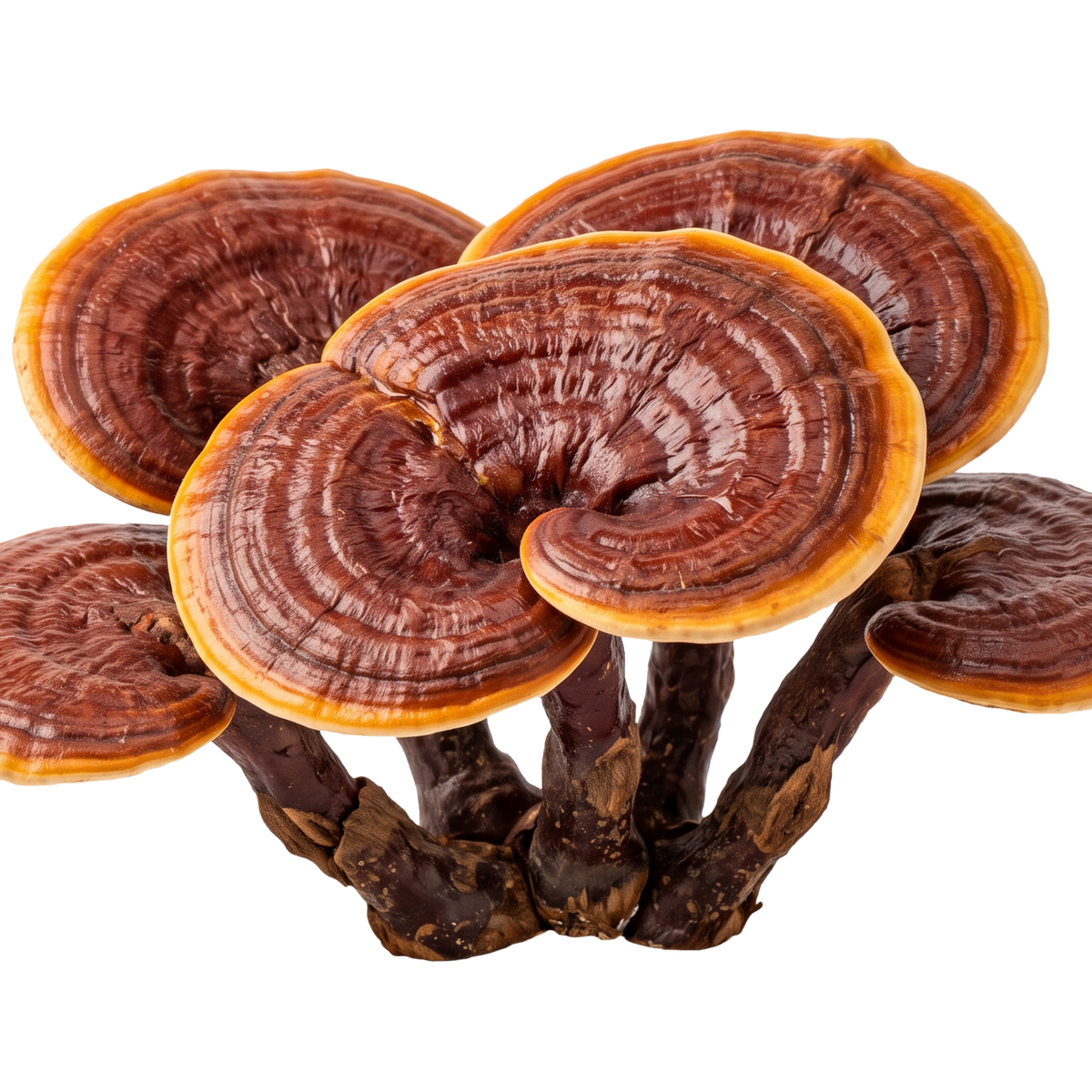
REISHI
Ganoderma lucidum
How we use it
Native range
Hardwood stumps across Asia and Europe. Ours is grown on hardwood.
Character
Unlike most mushrooms, it’s hard and woody, with a glossy, lacquered red-brown cap. Very bitter.
History
Known in China as lingzhi, Reishi has appeared in East Asian texts for more than 2,000 years. It was once so rare that it was considered too precious for everyday use and reserved for emperors.
Did you know?
The curved head of the ruyi, a traditional Chinese good-luck sceptre, is said to be shaped after the Reishi mushroom.
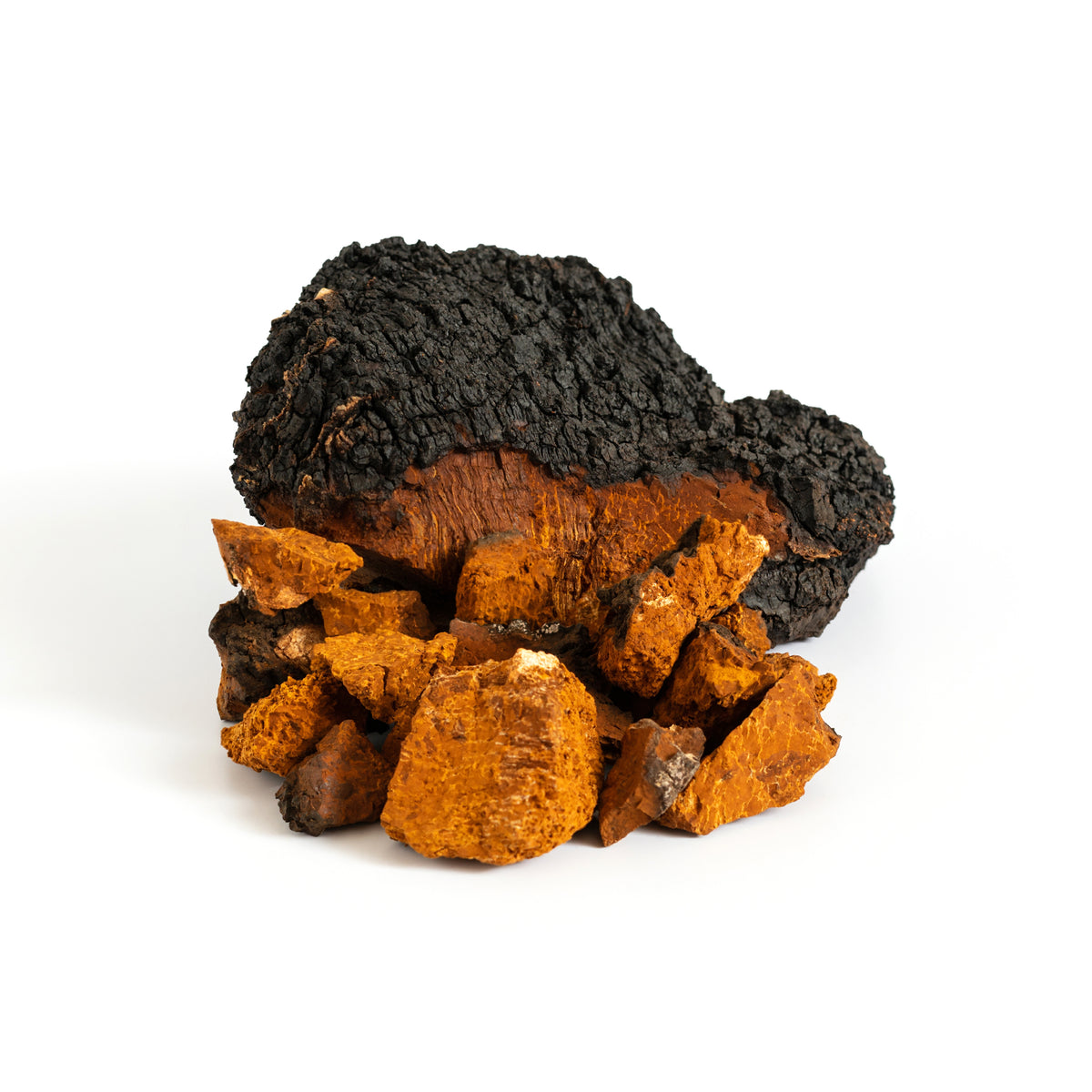
CHAGA
Inonotus obliquus
Native range
Birch trees in cold northern forests: Siberia, Scandinavia, Canada and the northern United States.
Character
Looks like a lump of burnt charcoal on the outside, with a golden-orange core inside. Earthy, slightly vanilla-like taste when brewed.
History
Brewed as an everyday tea by peoples of Siberia for generations, and later across Northern Europe.
Did you know?
Chaga can take years to grow before it’s ready to harvest. In Finland, it’s said to have been brewed as a coffee substitute in hard winters.

MAITAKE
Grifola frondosa
How we use it
Fruiting body. Found in:
complex. → [X] mg per serving
inside job. → [X] mg per serving
Native range
Forests of Japan, China, North America and Europe, typically at the base of old oak trees.
Character
A large cluster of ruffled, overlapping caps that can weigh several kilos. Rich, savoury taste.
History
For centuries it could only be found in the wild. In feudal Japan, it was reportedly traded for its weight in silver.
Did you know?
Maitake means “dancing mushroom” in Japanese, said to be named for the joy of finding it. In English it’s known as “hen of the woods”, after its feathery shape.
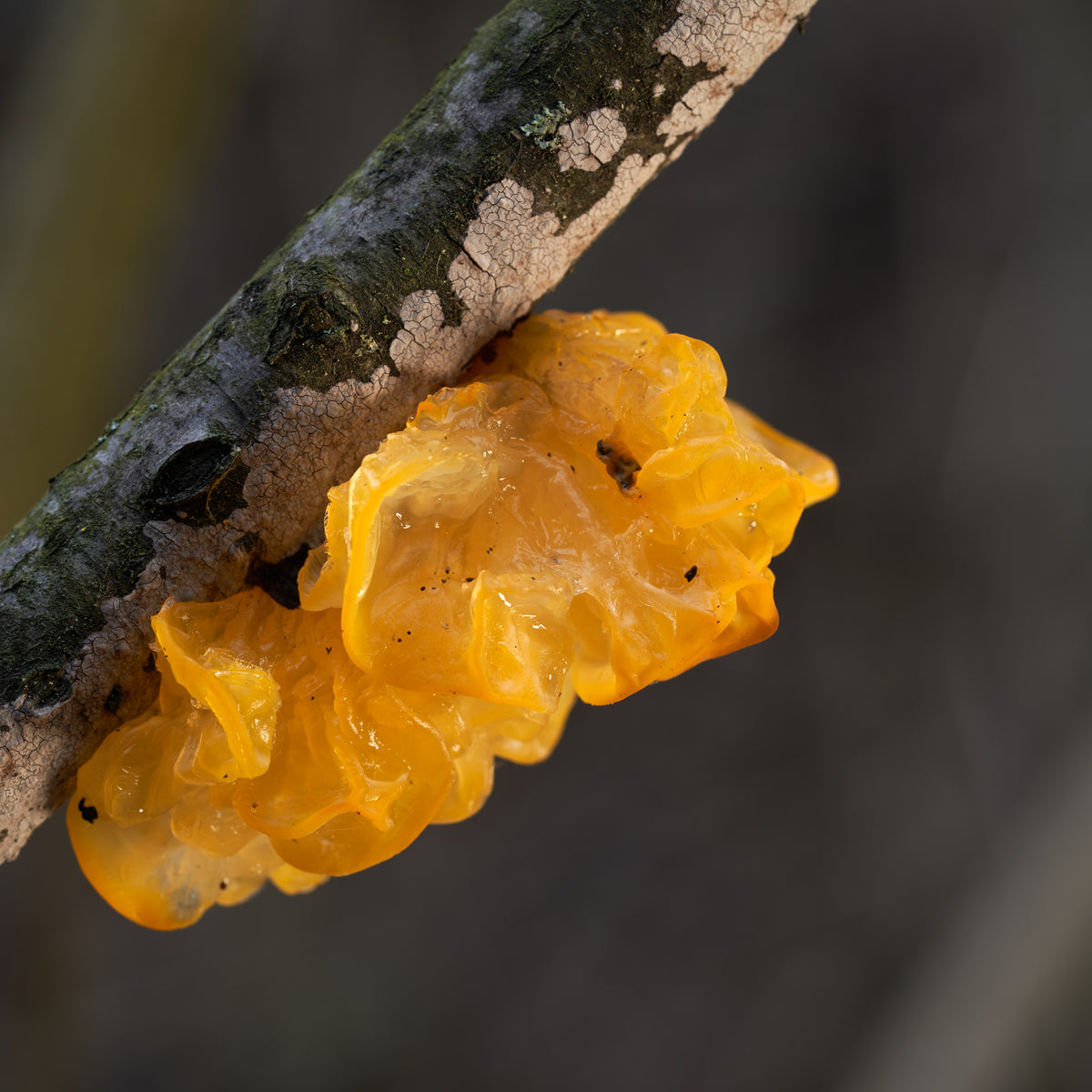
TREMELLA
Tremella fuciformis
How we use it
Fruiting body. Found in:
complex. → [X] mg per serving
Native range
Warm, humid forests of East and Southeast Asia, especially China.
Character
Translucent, white and frilly, almost like a jelly flower. Neutral taste and a soft, springy texture.
History
A treasured delicacy at the Chinese imperial court, slowly simmered into delicate sweet soups.
Did you know?
It’s also called “snow fungus” or “silver ear”, because of its white, ear-like shape.
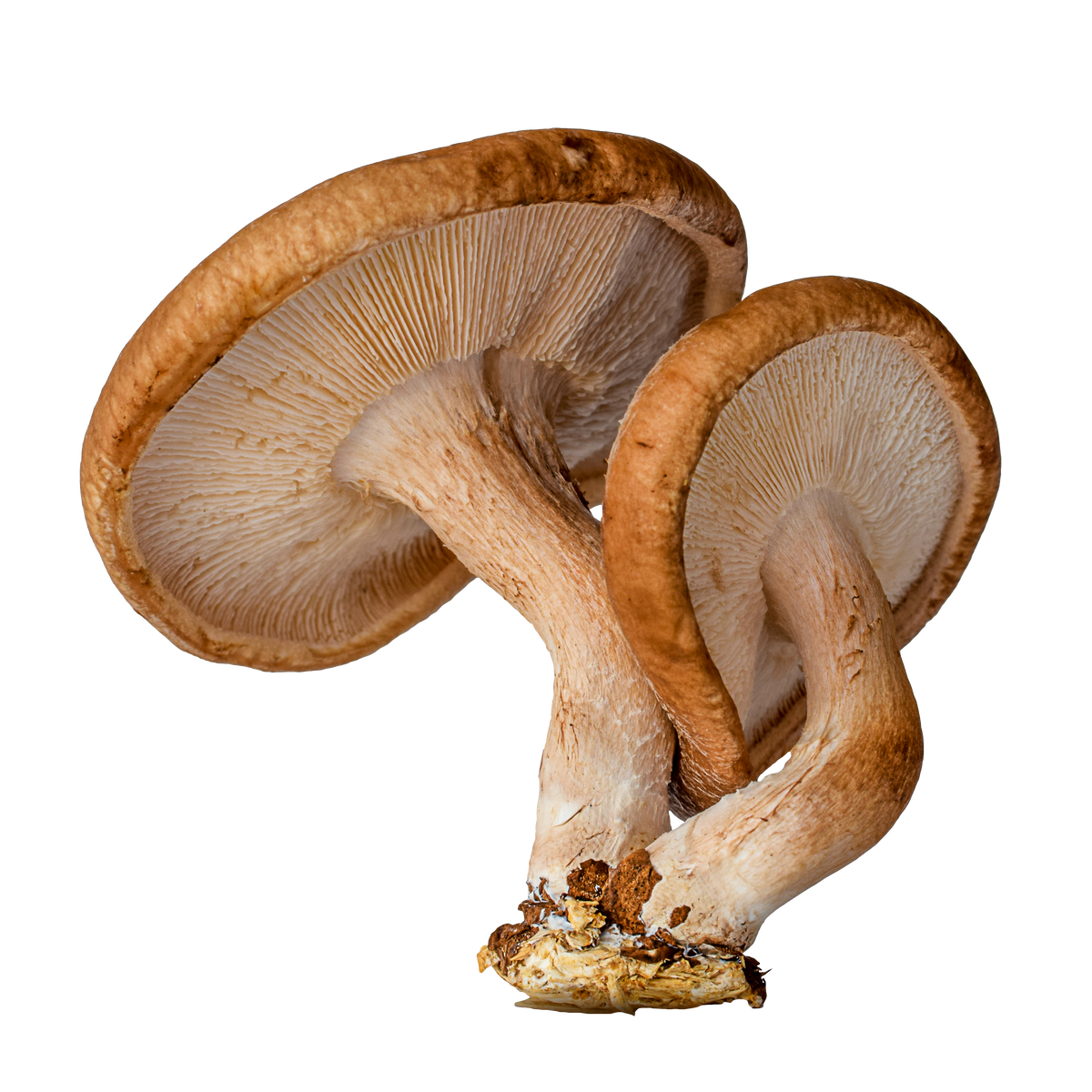
SHIITAKE
Lentinula edodes
How we use it
Fruiting body. Found in:
complex. → [X] mg per serving
inside job. → [X] mg per serving
Native range
East Asia, growing on fallen hardwood logs.
Character
A brown, umbrella-shaped cap with a rich, savoury, umami flavour.
History
one of the oldest cultivated mushrooms in the world, grown on logs in China and Japan for around 1,000 years.
Did you know?
Its name comes from the shii tree it grows on in Japan, and take, meaning mushroom.
The BOTANICALS

GINKGO
Ginkgo biloba
How we use it
Leaf. Found in:
sharp. → [X] mg per serving
Native range
China.
Character
A tall tree with fan-shaped leaves that turn bright gold in autumn.
History
One of the oldest tree species on Earth, around 200 million years old, often called a “living fossil”. Valued in Chinese tradition for centuries.
Did you know?
In 1815, Goethe wrote a poem about the ginkgo leaf and pressed two leaves into the manuscript.